FaceYo content is designed to support your daily face yoga and personal care routine. If you have a specific health condition, you may wish to consult your specialist before using the app.
How facial aging unfolds
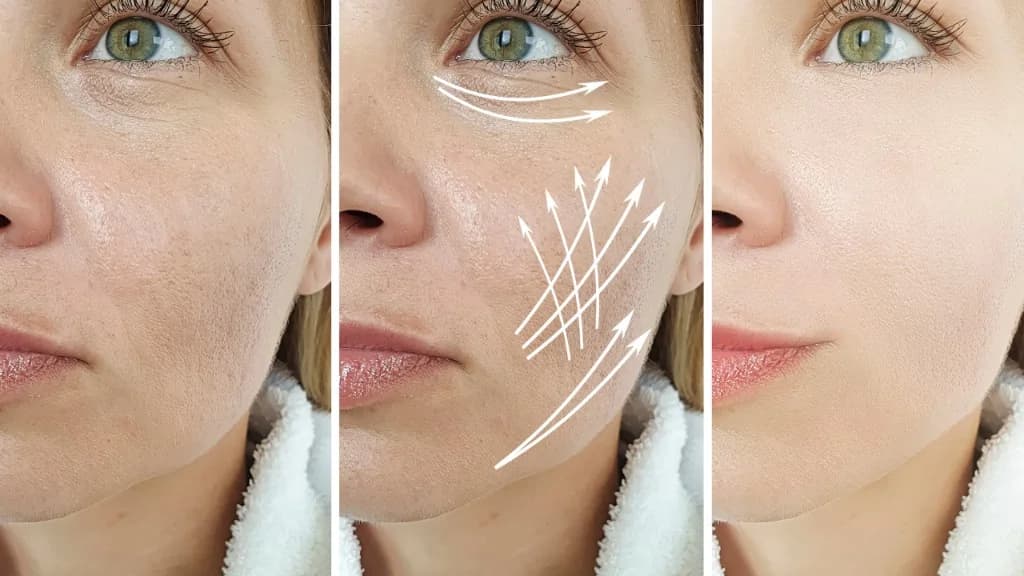
Facial aging is not a single event; it combines gradual changes in skin, muscles, fat distribution and underlying support. Farage et al.'s review of aging skin explains how loss of elasticity, a weaker moisture barrier and reduced structural support accumulate over time. The pace differs for everyone.
Genetics, sun exposure, sleep, stress and nutrition may all influence appearance. NIH healthy aging guidance emphasizes that long-term wellbeing may relate to movement, sleep and social connection—not cosmetic products alone.
Face Yo addresses facial aging here not as a promise to reverse time, but to understand the process and build a daily ritual. See photoaging and UV and skin elasticity for more context.
Skin structure changes
In aging skin, collagen and elastin networks may weaken; the epidermis may thin and moisture retention may decline. Farage's review notes barrier changes may affect perceived dryness, sensitivity and fine lines—but these shifts are neither linear nor fully predictable.
Changes in fat pads and bone volume in the lower face may affect contour perception. These biological processes are not directly 'treated' by face yoga; yet muscle awareness and tension management may be part of daily wellness practice.
Lifestyle and habits
The NIH healthy aging framework suggests regular movement, adequate sleep, balanced nutrition and social ties may support long-term wellbeing. For the face, these general principles may combine with sun protection, hydration and stress management.
Smoking, excess alcohol, irregular sleep and chronic stress may negatively affect skin appearance. Face Yo does not change these habits; we point readers to healthy aging for broader context.
Face yoga context
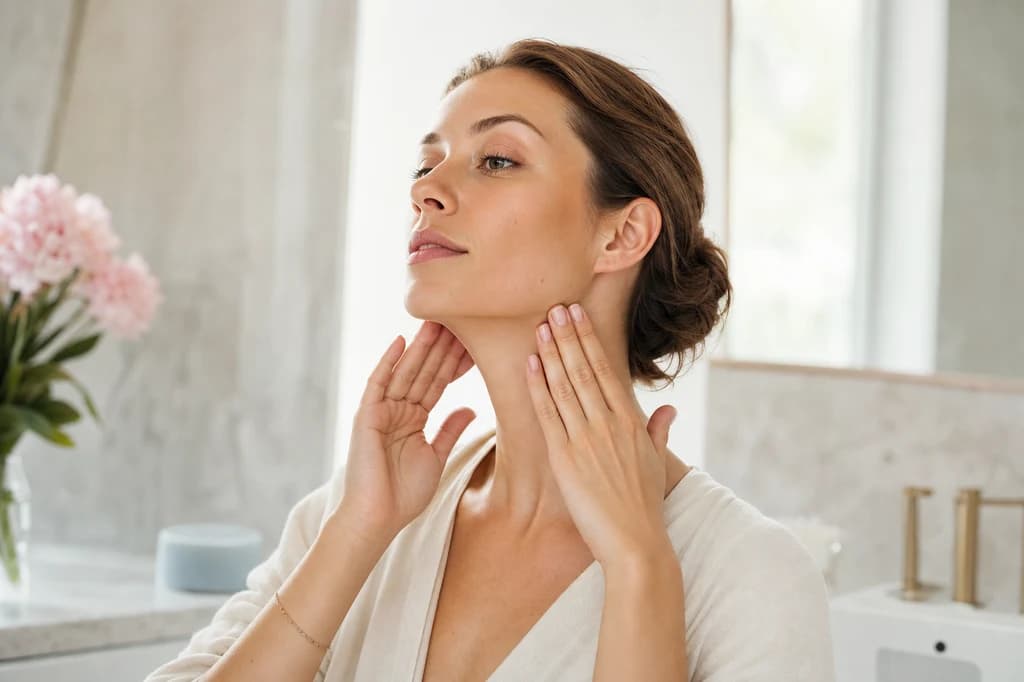
Face yoga aims to gently move expression muscles, notice tension and build a daily ritual through short guided sessions. The 2018 JAMA Dermatology study reported modest perceived fullness improvements at small scale; these should be read as directional signals, not definitive proof.
The Face Yo app offers video-guided routines; science pages explain the concepts behind practice. Focus guides for forehead and under-eyes may help build regional awareness.
Realistic outlook
Facial aging is a natural process that cannot be fully stopped. Skincare, medical treatments and daily wellness practices play different roles; Face Yo sits only in the last category. We do not use phrases like 'eliminates wrinkles' or 'makes you look ten years younger'.
Consistent, gentle practice that stops on discomfort may support tension awareness and a daily ritual. Personal results vary by age, skin type, genetics and habits. Persistent or concerning symptoms warrant consultation with a dermatologist or health professional.
Face Yo approaches this topic as daily wellness practice; individual experiences may differ. Gentle pacing, controlled breathing and moving without straining the face are core principles.
Our content draws on peer-reviewed sources but does not replace medical advice. Stop if you feel discomfort and consult a professional when needed.
Regular short sessions may be more sustainable than intense infrequent practice. The Face Yo app helps you choose personal pacing and focus areas.
Our science pages do not list in-app exercises one-to-one; they provide conceptual framing. Use guided videos in the Face Yo app for practice.
Outcomes should be considered alongside personal skincare, sleep, sun exposure and general health habits. Face yoga alone is not a skin treatment.