FaceYo content is designed to support your daily face yoga and personal care routine. If you have a specific health condition, you may wish to consult your specialist before using the app.
Looksmaxxing is an internet term for trying to improve your physical appearance—from simple habits like skincare, grooming, posture and exercise to more extreme online advice.
Not every looksmaxxing tip is safe or realistic. Some content promotes healthy self-care; other content normalizes risky diets, uncontrolled products or dangerous physical “hacks.”
Merriam-Webster defines looksmaxxing as practices that may include extreme or dangerous measures intended to increase physical attractiveness. A sustainable goal is supportive habits—not chasing perfection.
What does looksmaxxing mean?
“Looks” refers to appearance; “maxxing” suggests maximizing potential. Topics often include skincare, hair and beard styling, fitness, posture, fashion, sleep—and jawline) appearance.
None of this defines your worth as a person.
Softmaxxing vs hardmaxxing
Softmaxxing covers lower-risk, often reversible habits: skincare routines, sleep, balanced nutrition, posture awareness and gentle face yoga.
Hardmaxxing refers to higher-risk or medical interventions. Those decisions belong with qualified healthcare professionals—not social media trends alone.
What shapes facial appearance?
Your face is more than one feature. Skin, expression, hair, posture, lighting, sleep and daily care combine into how you look and feel.
Filters and camera angles on social media can distort comparisons. Research links appearance-focused social media use with body image concerns—track progress over weeks, not hourly mirror checks.
Can face yoga fit a looksmaxxing routine?
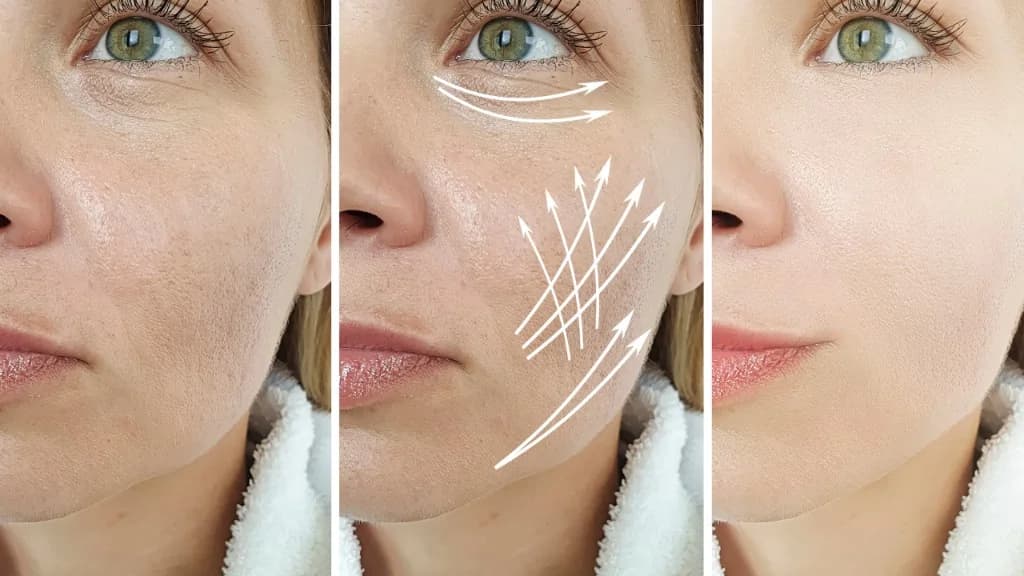
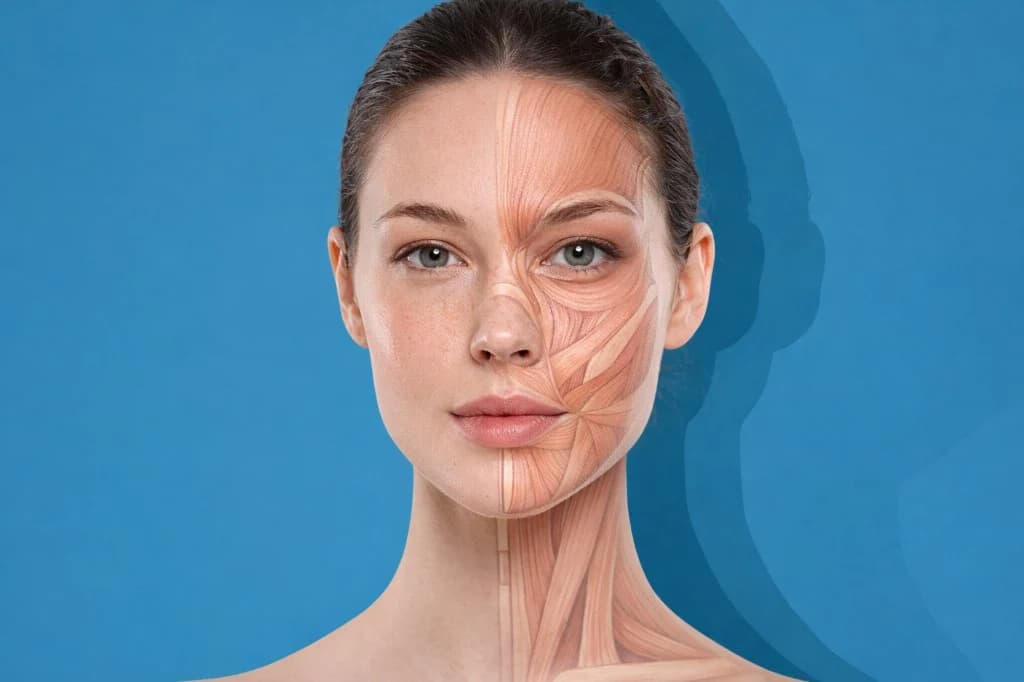
Face yoga focuses on controlled movement and muscle awareness. It does not change bone structure, enlarge the jawbone or replace medical or surgical care.
A small 2018 *JAMA Dermatology* pilot reported some visual changes after 20 weeks of facial exercises; the sample was tiny with no control group, so results cannot be generalized. Systematic reviews note limited, heterogeneous evidence.
Explore regional guides for neck, cheeks, forehead and double chin.
Building a safer routine
- Basic skincare — cleanse, moisturize and use daytime sun protection; see a dermatologist for sensitive skin.
- Hair and grooming — choose sustainable styles that suit your face and lifestyle.
- Posture — screen time can pull the head forward; posture does not reshape bone but may help you feel more aligned.
- Short face yoga — 5–10 minutes daily, without pulling or pain.
- Sleep and movement — wellbeing supports how you feel, not only how you look.
- Realistic tracking — same light and angle, longer intervals; notice whether the routine feels calming or stressful.
What to avoid
Methods like “bone smashing,” extreme restriction or DIY medical hacks are unsafe. If appearance thoughts dominate your day or you withdraw from life, pause and consider professional support.
Looksmaxxing and healthy aging
Balanced care includes barrier-friendly skincare, movement and not overworking the face. Read healthy aging and skin longevity for a pro-aging framing—not stopping time, but caring consistently.
Conclusion
Start with low-risk habits. Face Yo offers guided face yoga sessions you can fold into daily self-care—without guaranteed outcomes.