Staying reasonably hydrated is one of those small daily choices that supports overall wellbeing. When you think about skin care and skin longevity, fluids are not a magic fix—but they can be part of a steady routine alongside cleansing, moisturizer and sun protection.
The Mayo Clinic explains that daily fluid needs vary with activity, climate, health status and other factors. There is no universal ounce-per-day rule that fits everyone, and Face Yo does not turn general wellness guidance into a personal medical prescription.
Dry skin is equally nuanced. Mayo Clinic’s overview of dry skin lists environment, bathing habits, products and medical conditions among contributors. Drinking more water may support general hydration, yet it does not automatically replace emollients, barrier repair or dermatology care when the skin feels tight, flaky or irritated.
If your goal is long-term skin health rather than a quick transformation, hydration habits work best when they are repeatable. Many people drink less when schedules get busy; a gentle reminder can help you pause, refill a bottle and return to morning face yoga or skincare without guilt or pressure.
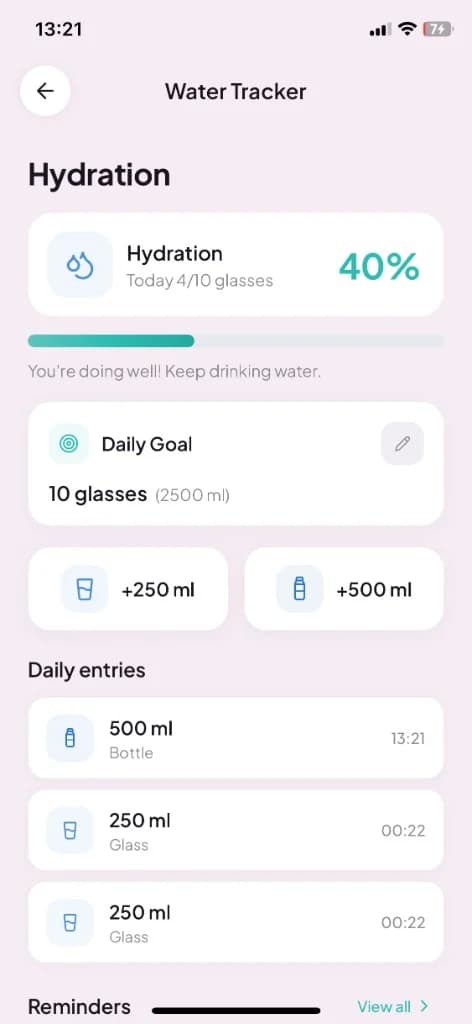
Face Yo water reminders are designed as soft nudges—not alarms, not clinical orders and not promises of glowing skin by tonight. You choose whether notifications are on and how they fit your day. The feature helps track a hydration habit you define for yourself within general wellness limits.
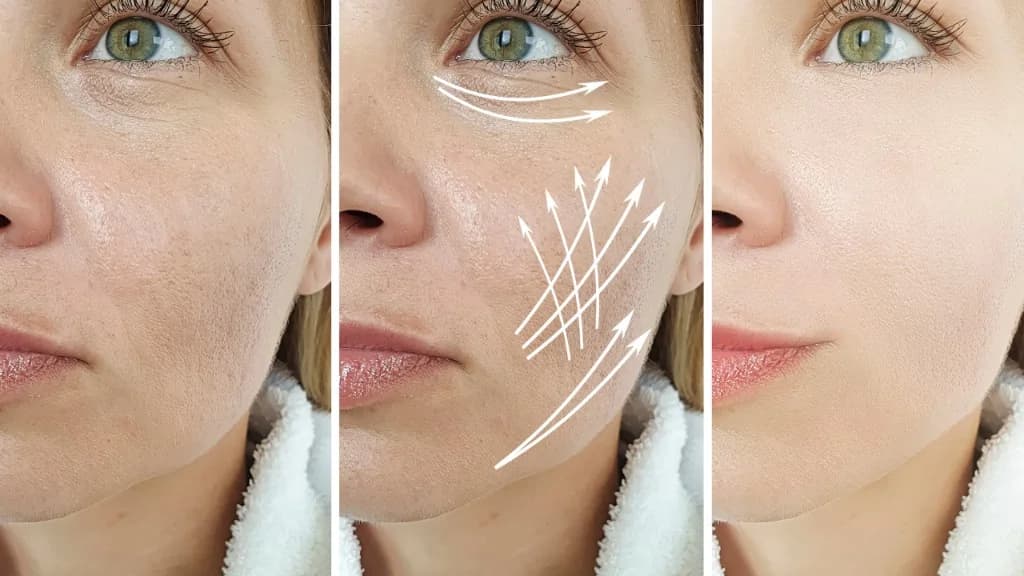
Pairing fluids with movement may make both easier to remember. A 5-minute face yoga session after a glass of water can mark a short self-care break. Likewise, an evening wind-down that includes before-sleep face yoga and a final sip of water may feel calming—though neither replaces sleep hygiene or medical advice.
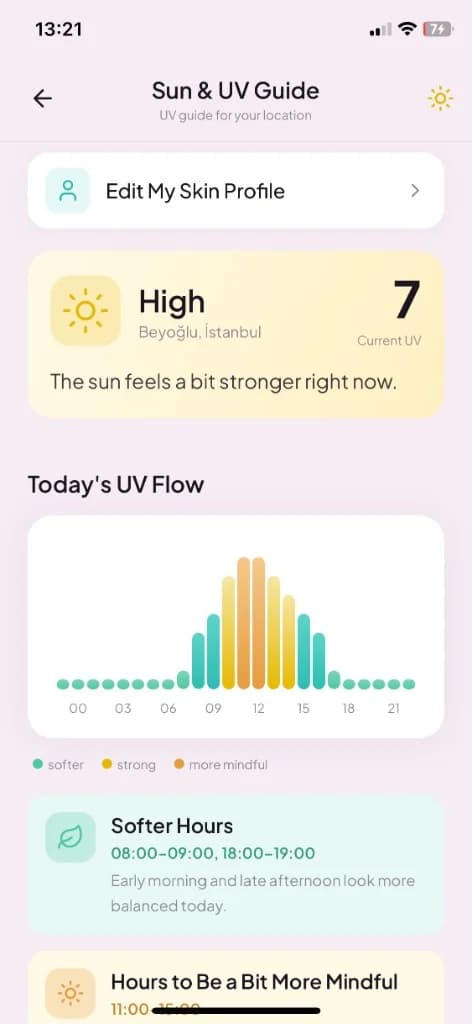
Hydration also sits next to sun awareness. UV exposure influences photoaging over years; water intake does not undo sun damage. Read about protection habits in related guides and keep sunscreen, shade and protective clothing as the foundation. Face Yo may offer informational UV context separately; it is not a substitute for SPF selection with your clinician when needed.
For readers exploring age-specific routines, face yoga in your 30s and face yoga in your 40s describe gentle movement—not fluid replacement. What is face yoga? offers a beginner-friendly overview if you are new to the practice.
Who should be cautious? People with heart or kidney conditions, pregnancy-related fluid guidance or medications that affect balance may need personalized limits from a healthcare professional. Face Yo reminders do not adjust for those clinical details automatically.
Practical tips without overpromising: keep a reusable bottle visible, drink with meals, notice thirst, and use moisturizer on damp skin after cleansing. Track how you feel over weeks, not hours—skin appearance changes slowly and depends on genetics, climate, products and health.
If you enjoy lifestyle framing, looksmaxxing and balanced self-care discusses appearance goals without risky shortcuts. Hydration belongs in that balanced column—supportive, not sensational.
In summary, a water reminder can help you maintain a hydration habit that supports general wellbeing and complements skin care. It is not medical fluid therapy, not a dry-skin cure and not a replacement for dermatology when symptoms persist. Face Yo keeps the tone educational and gentle, aligned with a pro-aging, skin longevity mindset.
Building habits takes repetition: the same gentle cue at similar times often works better than sporadic intensity.
Building habits takes repetition: the same gentle cue at similar times often works better than sporadic intensity.
Building habits takes repetition: the same gentle cue at similar times often works better than sporadic intensity.
Building habits takes repetition: the same gentle cue at similar times often works better than sporadic intensity.
Building habits takes repetition: the same gentle cue at similar times often works better than sporadic intensity.
Building habits takes repetition: the same gentle cue at similar times often works better than sporadic intensity.
Building habits takes repetition: the same gentle cue at similar times often works better than sporadic intensity.