
Ultraviolet radiation is a major external factor in photoaging—the gradual skin changes linked to sun exposure over years. The World Health Organization publishes a UV index scale that translates solar UV intensity into risk categories for unprotected skin.
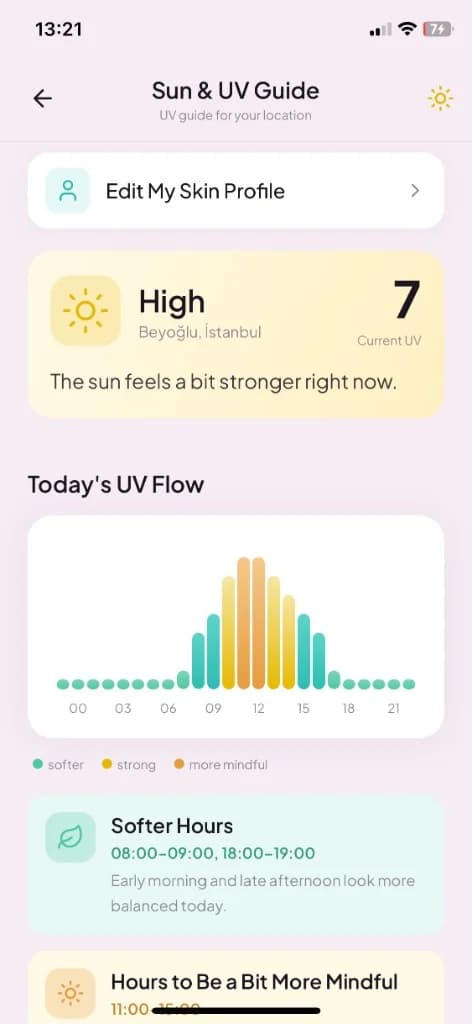
On the WHO scale, 0–2 means low risk, 3–5 moderate, 6–7 high, 8–10 very high, and 11 or above extreme. These numbers describe general conditions; your moment-to-moment exposure still depends on shade, altitude, cloud cover and reflection from surfaces.
Face Yo may show location-based, approximate UV index context when you allow location permission. The value is informational—it does not diagnose skin conditions, calculate personal skin cancer risk or prescribe an SPF number for you.
Sunscreen remains essential. The American Academy of Dermatology recommends broad-spectrum products, adequate SPF and reapplication according to label and activity. Face Yo’s UV guide does not replace that judgment or dermatology visits for suspicious lesions, photosensitivity or medication interactions.
When you start Face Yo, onboarding questions can capture skin type preferences and routine goals. The UV feature adds regional context so daily planning feels grounded—pair morning face yoga with remembering SPF, for example—not a medical regimen generated automatically.
Photoaging connects tightly to skin longevity thinking: consistent protection, barrier-friendly care and realistic expectations. Healthy aging habits—sleep, movement, stress care—also shape how skin behaves over time, though no app reverses years of UV exposure.
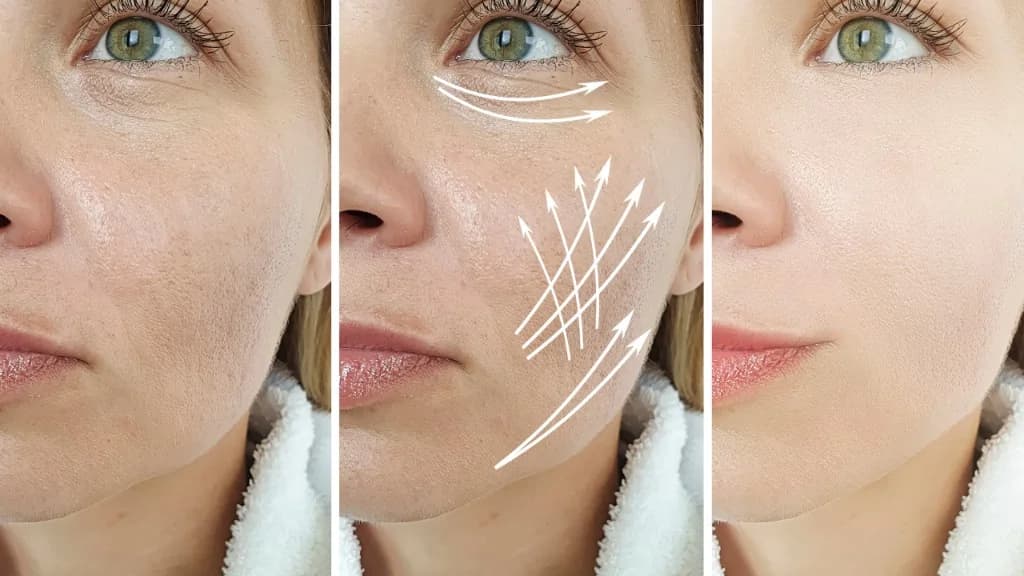
Age-focused movement guides such as face yoga in your 30s and face yoga in your 40s emphasize gentle muscle awareness. They do not undo sun damage and never replace hats, sunglasses or shade during high-index hours.
If you are new to face yoga, read what is face yoga? for pacing principles. Controlled breathing and light contact matter especially when skin is sensitive after outdoor time.
Limitations to remember: UV data may lag weather changes; indoor exposure near windows still exists; tanning beds carry separate risks described by WHO. Face Yo does not provide hourly forecasts tailored to your block or AI analysis of your selfies.
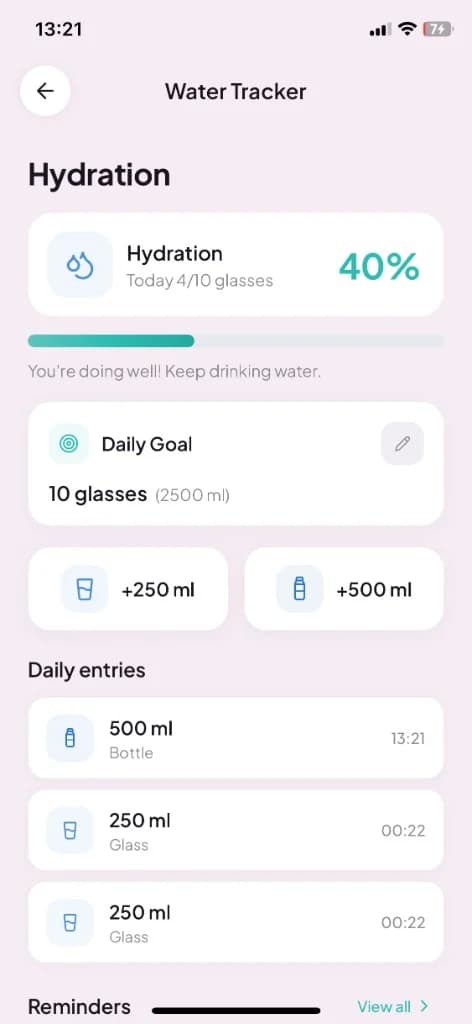
Practical day plan without exaggeration: check approximate index, choose protection, reapply sunscreen during long outdoor stretches, seek shade at peak hours when possible, and hydrate normally—water reminders are a separate gentle feature, not UV therapy.
When index values rise, clothing with tight weave, wide-brim hats and UV-blocking sunglasses complement sunscreen. Reapplication after swimming or sweating follows product label instructions; Face Yo cannot verify whether you applied enough.
Children, pregnant people and those on photosensitizing drugs need professional sun guidance beyond any app. Face Yo targets adult wellness education; pediatric plans belong with clinicians.
In summary, location-based UV tracking in Face Yo supports awareness alongside—not instead of—sunscreen, clothing and medical care. Onboarding personalizes context; WHO scales set shared language for risk. Stay cautious with claims, and consult dermatology for clinical concerns.
Building habits takes repetition: the same gentle cue at similar times often works better than sporadic intensity.
Building habits takes repetition: the same gentle cue at similar times often works better than sporadic intensity.
Building habits takes repetition: the same gentle cue at similar times often works better than sporadic intensity.
Building habits takes repetition: the same gentle cue at similar times often works better than sporadic intensity.
Building habits takes repetition: the same gentle cue at similar times often works better than sporadic intensity.
Building habits takes repetition: the same gentle cue at similar times often works better than sporadic intensity.
Building habits takes repetition: the same gentle cue at similar times often works better than sporadic intensity.
Building habits takes repetition: the same gentle cue at similar times often works better than sporadic intensity.
Building habits takes repetition: the same gentle cue at similar times often works better than sporadic intensity.
Building habits takes repetition: the same gentle cue at similar times often works better than sporadic intensity.
Building habits takes repetition: the same gentle cue at similar times often works better than sporadic intensity.