
What Is a Double Chin?
"Double chin" is a common term for the appearance of the area between the jaw and neck. How it looks can vary widely and is not linked to weight alone.
Genetics, aging, posture, skin elasticity and lifestyle can all influence the under-chin area.
There is no single cause or single solution for everyone.
On This Page
Factors That Affect Under-Chin Appearance
The under-chin area can change naturally over time.
Factors that may play a role include:
- Genetics
- The aging process
- Natural changes in skin elasticity
- Head and neck posture
- Weight fluctuations
- Daily lifestyle habits
Many of these factors can work together.
How Face Yoga Approaches the Double Chin
Face yoga does not promise to "eliminate" a specific zone.
Instead, it consists of controlled exercises for the jaw, neck and lower face.
With regular practice, it may:
- increase area awareness,
- improve movement control,
- make a daily care routine easier to maintain,
- encourage better attention to neck posture.
Realistic expectations support long-term motivation.
Which Areas Are Trained Together?
The under-chin area is rarely trained in isolation.
For a balanced approach, these zones are often worked together:
- Jawline
- Neck
- Lower face
- Cheeks
- Lip area
This holistic approach can help preserve natural facial movement balance.
Why Posture Matters
Forward head posture from phone or computer use is very common.
Over time, that can affect how neck muscles are used.
During face yoga, it helps to:
- Keep the head upright.
- Lengthen the neck.
- Relax the shoulders.
- Avoid unnecessary jaw clenching.
Good posture matters throughout the day, not only during exercise.
Beginner Practice Tips
Short routines are often more sustainable than long programs at first.
Starting tips:
- Practice regularly a few days per week.
- Move slowly.
- Use a mirror to check symmetry.
- Do not strain the neck.
- Breathe comfortably during movements.
Consistency matters more than intensity.
Most Common Mistakes
Frequent beginner mistakes include:
- Over-stretching the neck
- Constantly clenching the jaw
- Moving too fast
- Working the same area too long
- Raising the shoulders
- Expecting major change on day one
Gentle, controlled practice is always the better approach.
Scientific Perspective
Factors affecting under-chin appearance are highly varied.
Research on facial exercises shows promising directions, but larger studies are needed for stronger evidence.
Face yoga is best viewed as a natural routine that supports healthy-living habits.
Double-Chin Programs in Face Yo
Everyone's needs differ.
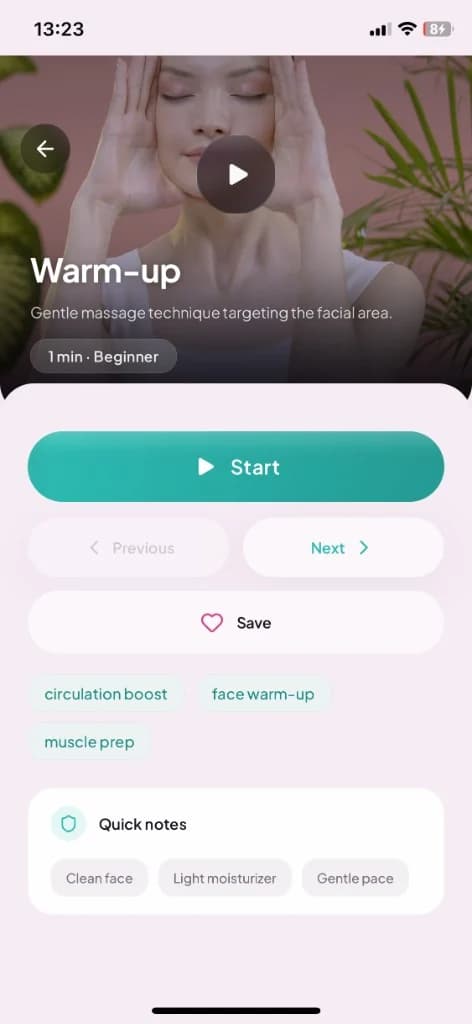
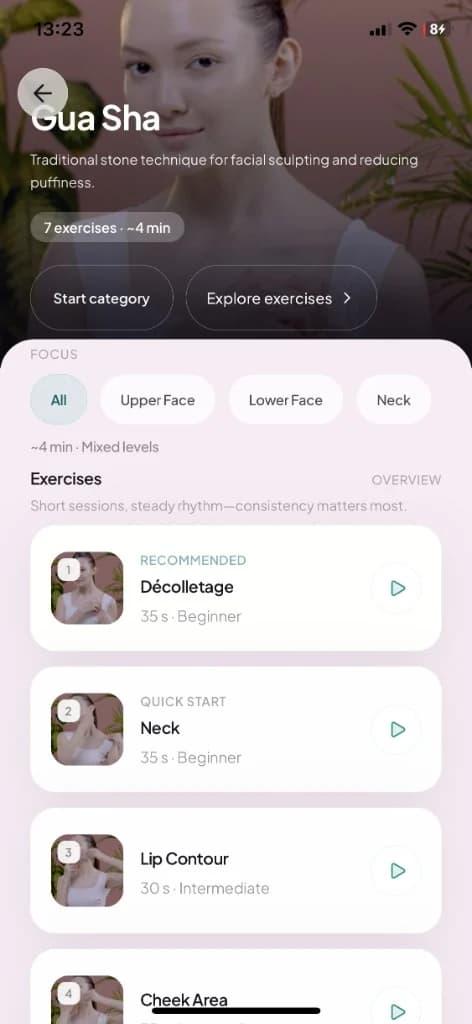
Inside Face Yo you will find:
- jawline-focused programs,
- neck exercises,
- lower-face routines,
- guided video lessons,
- personalized plans,
- daily progress tracking,
- water reminders,
- UV tracking
all in one app.
This can make it easier to follow programs suited to your target area.
Conclusion
The under-chin area is a natural facial zone influenced by many factors.
Face yoga may help you build a steady care habit through controlled jaw and neck exercises.
The key is a sustainable routine rather than expecting dramatic change in a short time.