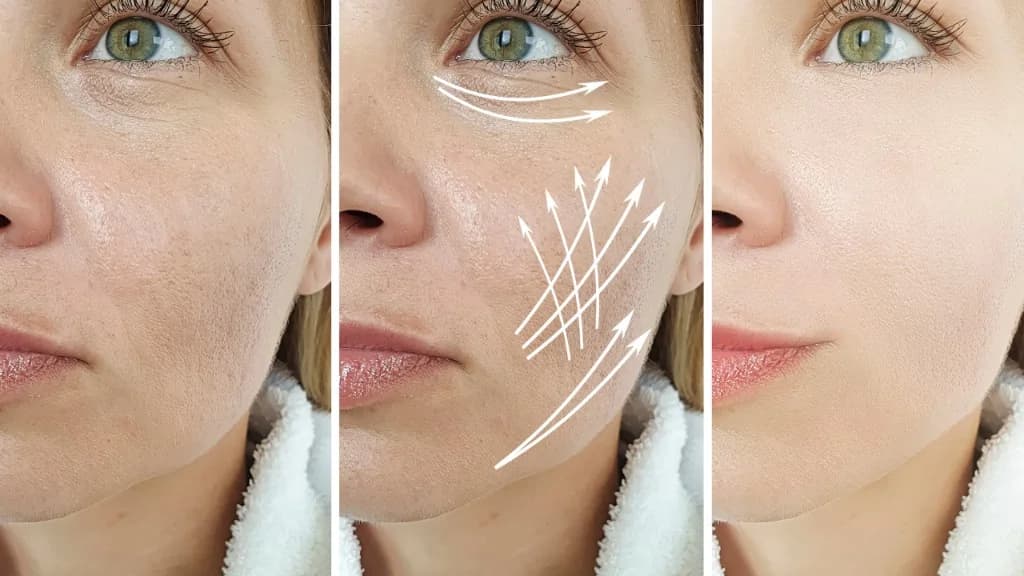

Gentle face yoga for forehead tension is about calm repetition, not force. When sequences are guided and paced slowly, you can support muscle awareness and a softer expression as part of daily self-care. Pause between movements to notice warmth, tingling or ease — all are normal when you work gently. Many people combine face yoga with regular sleep, hydration and sun protection as part of balanced self-care. Progress tends to show up as a calmer daily ritual rather than a single dramatic moment. If a movement feels awkward at first, reduce range and focus on breath. You can always repeat a short sequence twice in one session once form feels familiar. Journaling one sentence about how your face feels afterward can reinforce awareness without turning practice into pressure. Over time you may notice small shifts in how you hold your face at rest — less squinting, softer lips or a longer neck line. These subtle changes reflect awareness rather than overnight transformation. Stay curious, keep sessions gentle and adjust when skin or muscles feel tired.

Why forehead tension matters

The forehead tension area holds daily habits — posture, expression and stress. Face yoga helps you notice those patterns. Start with our overview and add area-specific work as needed. Pause between movements to notice warmth, tingling or ease — all are normal when you work gently. Many people combine face yoga with regular sleep, hydration and sun protection as part of balanced self-care. Progress tends to show up as a calmer daily ritual rather than a single dramatic moment. Over time you may notice small shifts in how you hold your face at rest — less squinting, softer lips or a longer neck line. These subtle changes reflect awareness rather than overnight transformation. Stay curious, keep sessions gentle and adjust when skin or muscles feel tired.

Movements to try

Use feather-light touch, slow holds and steady breathing. Avoid pulling skin aggressively. Pair with a 5-minute guided routine when time is limited. Pause between movements to notice warmth, tingling or ease — all are normal when you work gently. Many people combine face yoga with regular sleep, hydration and sun protection as part of balanced self-care. Progress tends to show up as a calmer daily ritual rather than a single dramatic moment. Over time you may notice small shifts in how you hold your face at rest — less squinting, softer lips or a longer neck line. These subtle changes reflect awareness rather than overnight transformation. Stay curious, keep sessions gentle and adjust when skin or muscles feel tired.

Realistic expectations

Results vary and face yoga is not medical care. It may help you feel more relaxed and aware of facial habits. Explore a beginner-friendly routine before advancing. Pause between movements to notice warmth, tingling or ease — all are normal when you work gently. Many people combine face yoga with regular sleep, hydration and sun protection as part of balanced self-care. Progress tends to show up as a calmer daily ritual rather than a single dramatic moment. Over time you may notice small shifts in how you hold your face at rest — less squinting, softer lips or a longer neck line. These subtle changes reflect awareness rather than overnight transformation. Stay curious, keep sessions gentle and adjust when skin or muscles feel tired.

Area-specific guidance

Deeper focus pages explain muscles and pacing for this zone. Visit the focus area guide when you want detail beyond a single session. Pause between movements to notice warmth, tingling or ease — all are normal when you work gently. Many people combine face yoga with regular sleep, hydration and sun protection as part of balanced self-care. Progress tends to show up as a calmer daily ritual rather than a single dramatic moment. Over time you may notice small shifts in how you hold your face at rest — less squinting, softer lips or a longer neck line. These subtle changes reflect awareness rather than overnight transformation. Stay curious, keep sessions gentle and adjust when skin or muscles feel tired.

Putting the pieces together

Move slowly, stay gentle and stop if you feel pain, dizziness or sharp discomfort. Face yoga supports general wellness; it is not medical advice and does not diagnose or treat conditions. Results vary. Consult a qualified professional about persistent symptoms.