

FaceYo content is designed to support your daily face yoga and personal care routine. If you have a specific health condition, you may wish to consult your specialist before using the app.
Your 40s are not a signal to switch to harsher or overly complex face care. They are a good time to build regular, sustainable habits you can practice without straining your face.
Facial appearance depends on genetics, expression, sun exposure, sleep, stress, skincare, and daily routines. Face yoga does not stop natural aging or change bone structure. It may help you use the face and neck more consciously, notice tension, and add a short movement ritual to everyday care.
Why Face Yoga in Your 40s Should Stay Gentle
More repetitions or harder pressure on the skin does not automatically mean better outcomes. The eye area, forehead, and corners of the mouth need especially controlled movement.
A solid routine rests on three principles:
- Move slowly and with control
- Avoid pulling or pinching the skin
- Prioritize consistency over long sessions
Five to ten minutes a day is enough to start. Stop if you feel pain, jaw discomfort, dizziness, or skin irritation. If you are new, pair a brief warm-up with our face yoga for beginners guide.
1. Start With Neck and Posture
Face yoga is not only about facial muscles. A forward head posture can influence how the neck and under-chin area look.
Before you begin, release your shoulders, lengthen the neck, and balance your head over your spine. Slow movements—without forcing the neck backward—can make it easier to start facial exercises. Our neck face yoga article keeps the same gentle pace.
2. Do Not Force the Jawline
The jawline and under-chin area attract a lot of attention in face yoga content. Strong pressure or holding the jaw tight for long periods is not necessary.
When working this area:
- Do not clench your teeth
- Keep movements small and controlled
- Avoid excessive tension in the front of the neck
- Stop if the jaw joint clicks or hurts
The goal is not to reshape bone but to support awareness in the face and neck. See jawline face yoga for examples in that spirit.
3. Work the Cheeks With Control
For cheek exercises, try not to squint or over-contract the forehead.
You can create a soft smile, notice the cheek muscles, then fully release the face. Avoid pulling the mouth area sharply.
4. Treat the Eye Area Gently
The eye contour is delicate. Pulling the skin, massaging quickly, or constantly squinting is usually counterproductive.
For eye-area routines:
- Use very light fingertip pressure
- Open and close the eyes without straining
- Do not lift the brows unnecessarily
- Avoid friction on the skin
Wash your hands before touching your face.
5. Notice Forehead Tension
While focusing on screens or under stress, the forehead can tighten without you noticing.
Forehead exercises are not about creating more tension—they help you release it. You can keep the eyes relaxed, avoid lifting the brows, and take a few slow breaths.
An 8-Minute Daily Face Yoga Routine
A simple daily plan might look like this:
- One minute to relax shoulders and neck
- Two minutes for jawline and neck awareness
- Two minutes for the cheeks
- One minute to gently ease the eye area
- One minute to release forehead and brow tension
- One minute of slow breathing and full facial release
Quality and control matter more than endless repetitions. If time is tight, a five-minute face yoga plan offers a similar framework.
Support Face Yoga With Skin Longevity Habits
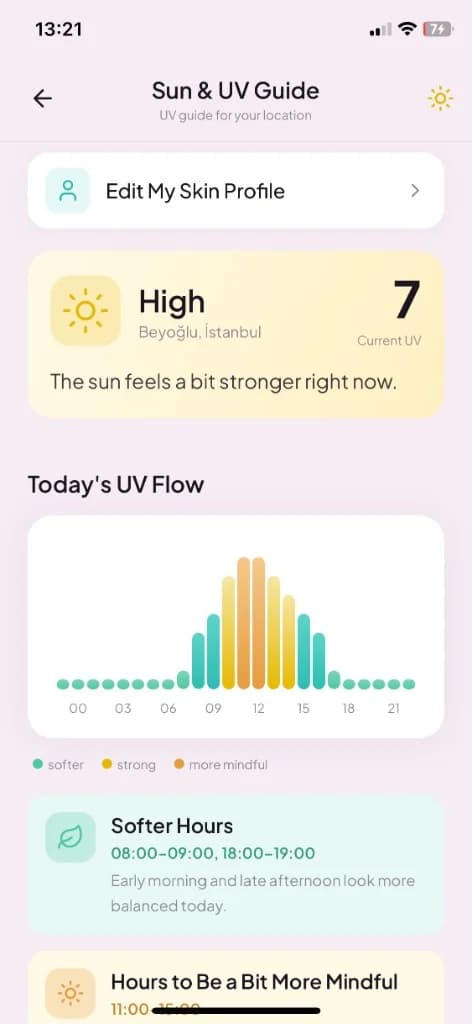
Face yoga alone is not a complete care plan. Long-term skin health also relies on sun protection, moisturizer suited to your skin type, and avoiding unnecessary irritation.
Skin longevity is about steady care over years—not stopping aging. Read our skin longevity guide for that perspective.
You can support your face yoga habit with:
- Daily sun protection when appropriate
- Gentle cleansing rather than harsh scrubbing
- Enough sleep
- Movement during the day
- Avoiding constant mirror-checking and comparison
- Limiting movements that create skin friction
Common Mistakes to Avoid
When practicing face yoga, try to avoid:
- Pressing hard on the skin
- Moving too quickly
- Continuing through pain
- Clenching the jaw throughout the day
- Very long sessions every day
- Expecting definite change within a few days
- Comparing yourself to filtered social media images
Consistency helps, but face yoga should not become a stressful obligation.
Morning or Evening?
A morning face yoga routine can ease you into the day with light movement. Before-sleep face yoga may help you notice tension built up during the day. The best time is whenever you can practice regularly.
Conclusion
Face yoga in your 40s is about sustainable movement and care—not forcing the face. Start with posture and neck awareness, then balance jawline, cheeks, eyes, and forehead work.
With Face Yo, you can explore guided sessions that fit your goals and schedule, and weave short routines into morning or evening care—without promises of guaranteed transformation.